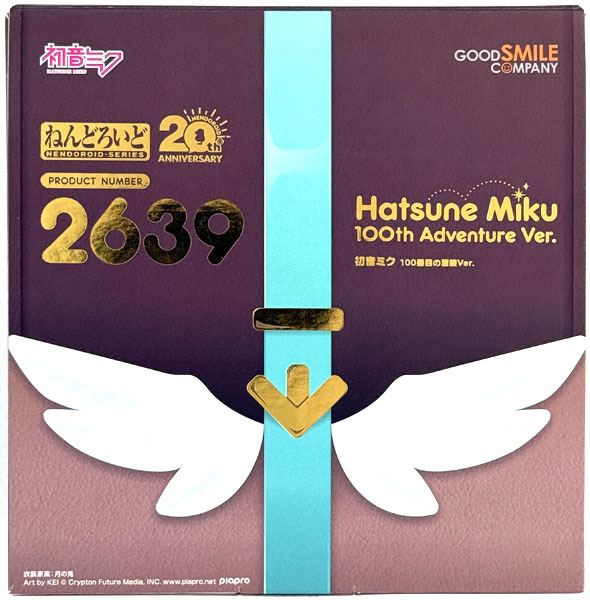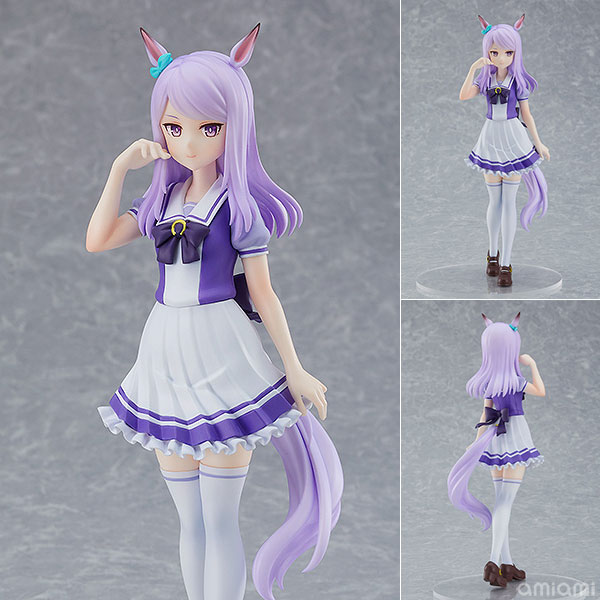
When the Japanese used item was cleaner than the Korean new product upon unboxing
Let me start with the conclusion. The grading system in Japan's used figure market is a system that sells trust, not transactions. In summer 2019, a Freeing figure I purchased at 'A-grade' from a Japanese mail-order site arrived. It received a used grade due to a single minuscule compression mark on a box corner, but the figure itself was in unopened shrink wrap. That same week, a Good Smile Company Nendoroid I bought as new from a Korean shopping mall had a torn blister inside the box.
The price difference was 3,000 yen. A product that would sell for 12,000 yen at regular price in Korea cost 9,000 yen at a Japanese used shop, and even with forwarding service fees, it was cheaper than a domestic new product. The issue wasn't the money. It was the standards that assign 'B-grade' for a single scratch on the box exterior, the system that proves opening status with four photos, the culture that specifies even blister tape incision locations on detail pages. The operating principles of Japan's used figure market were condensed within those two grade label letters.
Since that day, I've learned to read Japanese used shop grade labels as promises rather than products. Whenever I see "you can't trust used items" in Korean communities, I recall the difference between markets with and without grading systems. Today I'll unpack the operating principles of Japan's used figure grading system, based on 15 years of direct purchasing experience and dozens of mistakes.
Who creates and who maintains Japanese used shop grade labels
Major Japanese used shops each operate their own grading standards, but the basic framework aligns remarkably. Unopened is '未開封', A-grade is '極美品' (kyoku bihin/extremely fine item), B-grade is '美品' (bihin/fine item), C-grade is '並品' (namihin/average item). The kanji notation differs but the essence is identical. They divide external condition into 5-6 tiers, and within each grade, they detail box, blister, figure body, and accessories conditions separately.
Grades are assigned by used item purchase staff. I remember a scene I witnessed at a used shop in Nakano Broadway in 2015. Inside the counter, a male employee in his thirties placed a Nendoroid box under LED lighting and ran his fingers along the corners checking them. After about three minutes of inspection, he affixed an 'A-grade' sticker and moved it to the display shelf. The purchase criteria chart was posted on the wall behind the counter, and customers could request to view it.
The reason this system earns trust is simple. The seller assumes responsibility for grade misclassification. Most Japanese used shops guarantee full refund or exchange for grade defect claims. This contrasts with Korean used transactions where "different from photos" disputes are frequent. Because grade labels function like contracts at Japanese used shops, inspectors conservatively lower grades when uncertain. When deliberating between A-grade and B-grade, marking it B-grade is industry practice.
Sometimes A-grade used items cost more than new products
In 2018, a particular Max Factory scale figure recorded 150% of regular price in A-grade used market value. This was two years after it went out of print, and unopened new items carried premiums above 200%. A-grade designation meant "opened but never displayed with complete accessories," essentially identical condition to new. Japanese collectors sometimes open boxes just to look, then reseal and resell.
This is where Korean fans often misunderstand. The preconception that "used items are always cheap." Japan's used market sees price reversals based on scarcity. Out-of-print scales from the early 2010s, like Hatsune Miku Racing Ver., sometimes trade at three times the original retail price in A-grade used condition. Grade labels don't merely indicate condition—they also function as reference points for market pricing.
Conversely, B-grade and below drop sharply in price. For the same product, the price gap between A-grade and C-grade exceeds 2x. Box damage, missing accessories, and figure body scratches are each independently reflected in grading, and a single grade difference creates a price disparity of thousands of yen. Thanks to this transparency, Japanese used figures also function as investment objects. As of 2023, posts warning about "purchasing A-grade used items then reselling disguised as unopened new" appeared in Japanese collector communities.
 Fate/Grand Order Berserker/Altria Caster 1/7scale figure →
Why Japanese used figures have perfect boxes: differences in storage culture
In Japan, awareness that box condition directly affects resale price begins at the point of purchase. From the mid-2010s onward, a culture of "store boxes unfolded, not creased" spread among Japanese collectors. For assembly-type products like Nendoroids, the standard is to reinsert accessories into blisters and store even instruction manuals in their original positions.
In Korea, boxes are often discarded or stored folded. Displaying only the figure body in glass cases while stacking boxes on balconies is common. Japanese collectors, by contrast, perceive figures as assets. They viscerally understand that box condition determines A-grade versus B-grade when reselling, and that difference amounts to thousands of yen. Japanese used shops actually refuse to purchase "no box" products at all, or if they do, treat them only as C-grade or below.
This cultural difference is the fundamental reason Japanese used figures are in better condition than Korean ones. Since they store items assuming future resale from the start, they attend to sunlight blocking, dust prevention, and temperature-humidity control. During my 2017 Wonder Festival visit, one dealer said "Japanese collectors think they're not buying figures but borrowing them." The perspective of temporary custody rather than ownership. So even when passing them to the used market, they strive to minimize grade deterioration.
How do you read used figure grade labels?
Japanese used shop grade labels consist broadly of six tiers. Unopened (未開封) means manufacturer shrink wrap intact, A-grade means opened but never displayed with flawless box and body, B-grade means minor box compression or tape marks but body in good condition, C-grade means noticeable box damage or minor scratches on body, D-grade means some accessories missing or body discoloration/breakage, and junk (ジャンク) means sold for parts or assuming repair. Within each grade there are also detailed criteria, so even within A-grade it may divide into 'A', 'upper A', and 'extreme A.'
Three points to note when reading grade labels. First, check text descriptions before photos. Japanese used shop detail pages specify defects with sentences like "1cm compression lower left of box" or "one blister tape location reattached." Defects invisible in photos appear in text. Second, grading standards vary subtly between shops. One shop's B-grade may be another shop's A-grade. For shops you're using for the first time, always check the grade criteria chart (グレード基準).
Third, missing accessories are marked separately from grade. Cases like "A-grade/base missing" exist where appearance is A-grade but parts are absent. I fell into this trap in 2016. I bought an A-grade Nendoroid, but in small text at the bottom of the detail page it said "replacement expression parts 1 type missing." The body and box were clean so it received A-grade, but accessories were incomplete. If your Japanese is weak, please verify the parts list (付属品リスト) with a translator.
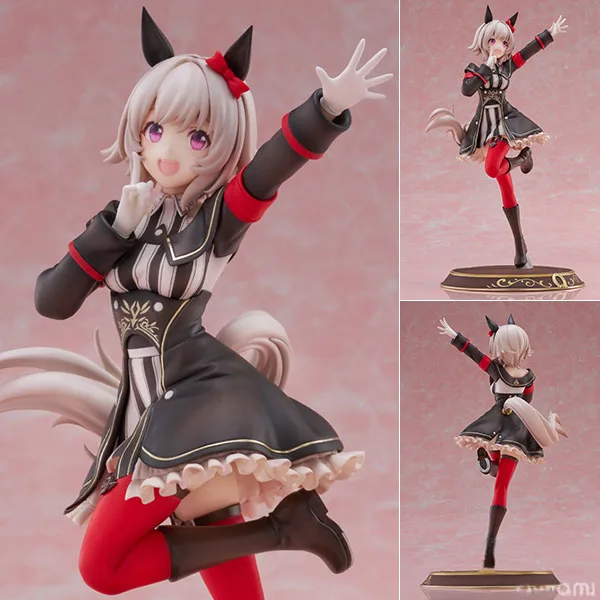 Curren Chan Signature Racewear Ver. 1/7 Scale Figure →
The art of grade compromise when hunting out-of-print scales
Out-of-print scale figures can only be obtained in the used market. Many releases from the early-to-mid 2010s have no reissue plans, and unopened new items carry premiums of 2-3x regular price. This is when grade compromise becomes necessary. In my experience, B-grade is a sufficiently acceptable compromise line. Box corner compression or tape marks don't affect figure display. Prices are 30-40% cheaper than A-grade, and condition is nearly indistinguishable to the naked eye.
From C-grade onward, caution is needed. Body discoloration or scratches reveal themselves under lighting, and especially white-toned clothing or clear parts suffer fatal yellowing. An Alter Saber figure I bought at C-grade in 2014 had dust adhesion and fine scratches on the inside of the skirt. The price was half that of A-grade, but once I placed it in the display case, regret remained. I recommend C-grade only "for collection rather than display purposes" or "for prototype confirmation."
D-grade and junk target buyers who assume customization and repainting. Collectors mainly purchase them who gather multiple items with missing accessories to complete one, or fill damaged body areas with putty for repainting. I don't recommend them for beginners. However, there's one exception. When only the base or clear support stand is missing and the body is intact. Japanese used shops classify this as D-grade, but substituting with a universal base poses no display problem. In 2020, I purchased a D-grade Nendoroid missing its base for one-third of retail price and solved it by separately purchasing an acrylic stand.
Can you trust Japanese used figure grade labels in Korea
Direct purchasing of used figures through Japanese mail-order sites became commonplace among Korean collectors from the mid-2010s. Items arrive within a week via forwarding services, and returns are possible for grade errors. Over the past decade, I've purchased approximately 80 figures from Japanese used shops. Grade marking differed from actual condition only once. In 2017, one joint on a figma marked A-grade was loose. When I sent photos to the shop, full refund came within three days.
However, there are caveats. Grading standards differ subtly between shops, and even within the same shop, variance occurs depending on the inspector. Particularly the standard for "minor" box compression is subjective. Box damage one shop classifies as A-grade might be B-grade at another. For shops you're using for the first time, check reviews first. Searching the shop's grade reliability in Japanese collector communities (2ch figure board, 5ch hobby board, etc.) is also a method.
One more thing: grade labels evaluate only appearance. Internal defects—for example, weakened magnetism in magnetic parts, loose joints, poor fit of replacement parts—often aren't reflected in grades. For articulated products like Nendoroids or figmas, problems may be discovered after assembly even at A-grade. Since this part cannot be verified until opening, you must leave it somewhat to chance. That's why I purchase used articulated figures only at B-grade or above when possible.
 Nendoroid Blue Archive Neru Mikamo →
Storage methods to prevent grade deterioration: if buying assuming future resale
We need to learn Japanese collectors' storage philosophy. From the moment they open a figure, they act with resale grade in mind. First, don't cut tape on boxes with knives or scissors—carefully peel with fingernails or plastic tools. Tape marks drop it to B-grade. Second, don't tear blisters—only separate adhesive areas to remove parts. Nendoroid blisters are designed to allow resealing.
Third, store all accessories. Don't discard instruction manuals, clear support stands, spare joints, or even the paper backing that secured the blister. Japanese used shops lower grade by one tier just for "no instruction manual." Fourth, display bodies avoiding direct sunlight and dust. Placing in glass cases and positioning away from windows is basic. LED lighting also causes discoloration under prolonged exposure, so limiting display time is advisable.
Fifth, when resale time comes, remove dust from both box and body with an air duster, and rearrange accessories to their original positions. Some Japanese collectors photograph blisters before opening and restore them by referencing those photos when reselling. With this level of care, even opened products can maintain A-grade. I've followed this method since 2021, and all three figures I resold to Japanese used shops actually received A-grade purchase prices.
FAQ
Is there no risk of damage during shipping Japanese used figures to Korea?
Major Japanese used shops use double packaging as standard for overseas shipping. They wrap figure boxes in air caps and place them in shipping boxes filled with cushioning material. Using forwarding services adds another layer of repackaging, so damage rates are under 1%. Even if damaged, refunds are possible through grade error claims, so please open immediately upon delivery to verify condition.
Which offers better value: A-grade or B-grade?
For out-of-print scales, I recommend B-grade. Box compression doesn't affect display, and prices are 30-40% cheaper than A-grade. However, avoid C-grade and below with body discoloration or missing parts. Unless you're a box collector, B-grade is the rational choice.
Are Japanese used shop grading standards unified across shops?
The basic framework is similar but detailed criteria differ by shop. The same box compression might be classified A-grade at one shop and B-grade at another. For shops you're using for the first time, always check the 'grade criteria chart' (グレード基準) at the bottom of the site, and carefully read detail page photos and text descriptions.
How are grades assigned when reselling used figures?
When reverse-exporting from Korea to Japanese used shops, the shop's inspectors directly assign grades. They judge based on box condition, body condition, and accessories completeness, and reevaluate regardless of the grade at time of purchase. If stored well you can maintain A-grade, but grades drop if dust or yellowing develops. The key to maintaining grade is cleaning with an air duster before resale and ensuring complete accessories.
---
Between 1cm of box corner compression and minor scratches on the body, Japan's used figure market has built trust through the language of grading. In the 15 years since entering with prize figures, as I've expanded display case space to now, I've filled a considerable portion of out-of-print scales through the used market. Once I learned how to read grade labels, used items became a safer choice than new products. May good connections reach your display cases today as well.