
30 Seconds of Judgment at a Dealer's Booth
Fifteen minutes after Wonder Festival's general admission, I stood at a dealer's booth holding a resin prototype in my hands. 1/8 scale, priced at 15,000 yen. If this were a mass-produced scale figure, I would have searched for decorated master photos, marked the reservation date on my calendar, and waited for post-release reviews. But the prototype in my hands could only be purchased here, today. Three units remained on the shelf behind the dealer. If I didn't decide within 30 seconds, the person behind me would take it, and even waiting six months until the next Wonder Festival offered no guarantee of encountering the same prototype again.
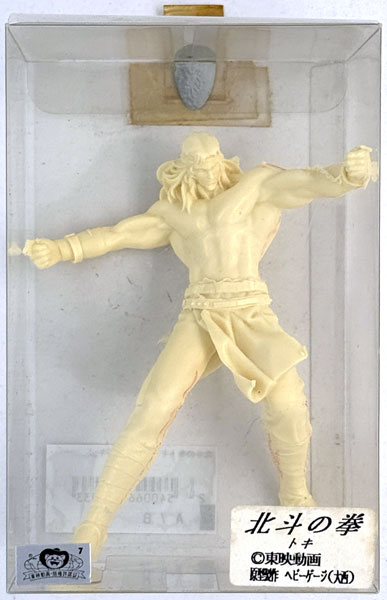
One-day garage kits (gareki) are the most unique product form created by Wonder Festival's event culture. Resin kits replicated and sold directly by individual sculptors or small circles, bypassing manufacturers' mass production lines. They receive sales permission from rights holders valid for only one day, traded exclusively within the event venue. No online reservations, no promise of reprints. Only those who stand before that booth on that day can purchase them. This one-time nature pushes decision-making at garage kit booths into an entirely different dimension from mass-produced figures.
To state my conclusion first: what I learned at Wonder Festival one-day booths was "the art of deciding without perfect information." That moment of holding a prototype and opening your wallet without decorated masters, production reviews, or reprint opportunities most succinctly reveals the essence of figure collecting.
The Birth of Wonder Festival's One-Day Release System
Wonder Festival has been a central pillar of Japanese hobby culture since its first event in 1984. Held twice yearly in summer and winter at Makuhari Messe in Chiba, the heart of this event is not corporate booths but individual and doujin dealer tables. Resin prototypes sit atop hundreds of tables with completed samples displayed beside them. Visitors examine prototypes in their hands, ask dealers about sculpting intentions, and hand over cash on the spot.
The one-day licensing system is the legal mechanism that makes this culture possible. Rights holders (animation studios, game companies, etc.) grant permission to sell derivative works exclusively on Wonder Festival day. Once the event ends, sales rights expire as well, so selling the same prototype online or on another day constitutes copyright infringement. Dealers replicate prototypes until the night before the event, display them at booths on the morning of, and cease sales upon evening closure. A one-day market. The tension created by this constraint produces Wonder Festival's distinctive atmosphere.
I first stood before a one-day booth at the 2012 summer Wonder Festival. Having only purchased mass-produced scales until then, the very concept of resin kits was foreign to me. The realization that I had to imagine the finished form from looking at a gray unpainted mass of parts, and that purchasing it meant assembling and painting it myself at home—these facts only dawned on me standing at the booth. But the expression on the completed sample before me—hand-brushed through the night by some sculptor—possessed a vividness I'd never seen in any mass-produced figure. I opened my wallet within 30 seconds.
How Do Garage Kits Differ from Mass-Produced Figures
Garage kits (ガレージキット) refer to assembly models produced in small workshops. Most are made of resin (polyurethane) material, with production processes fundamentally different from injection-molded mass-produced PVC/ABS figures. The sculptor hand-sculpts an original, creates a silicone mold, and pours resin to replicate it. The number that can be produced at once is limited, and each part must be manually separated and refined, making production costs high. If mass-produced figures are factory assembly lines, garage kits are workshop craftsmanship.
The biggest difference is that "they are not finished products." Mass-produced scales come as completed items with painting finished when you open the box, but garage kits are sold as unpainted parts. Buyers must sand, glue, and paint them to reach the finished form. The gorgeous completed samples displayed at dealer booths are literally just "samples"—the actual product is a gray resin mass. Without sculpting skills, you may never place it in your display case.
But this inconvenience creates garage kits' unique appeal. Mass-produced figures must avoid undercuts (recessed areas opposite the direction parts are extracted) due to mold constraints, but resin allows sculptors to shape as they desire. Folds inside skirts, fingers threading between hair strands, angles where the base and toes interlock—details omitted in mass production due to cost come alive in garage kits. And the sculptor's individuality shows through completely. Even sculpting the same Hatsune Miku, the Miku emerging from sculptor A's hands and sculptor B's Miku become entirely different figures.
At Wonder Festival booths, I learned this difference painfully. I've lost count of how many times I bought something after admiring the completed sample, only to return home, open the box, and sit dazed before a pile of gray parts. There are still several garage kits lying in drawers that I couldn't even assemble, let alone paint. But the sense of accomplishment when I do complete even one with my own hands differs from opening any mass-produced figure.
 Armored Trooper Votoms 1/24 Resin Cast Model Filfy Cocoshnik (Resin Kit) →
What to Check at the Booth
The time allotted at one-day booths is at most 1-2 minutes. People wait behind you, and popular prototypes sell out during morning hours. Within that brief window, you must evaluate the prototype and make your decision. As experience accumulated, I developed several checkpoint criteria.
First, parting line placement. The fine raised line created where resin mold halves meet—if this crosses the center of the face, sanding becomes hell later. Skilled sculptors place parting lines in less noticeable locations like hair boundaries or clothing folds. Holding the prototype and shining light from the side reveals the lines.
Second, the painting difficulty of the completed sample. Check how many gradation stages are applied, whether decals (transfers) were used or it's direct hand painting. If the painting is impossible without an airbrush, it means I can't replicate the completed sample with my skills. Asking the dealer "How did you paint this part?" usually gets a kind answer.
Third, parts division method. Confirm how many parts it divides into and whether adhesion surfaces are wide. Thin, long parts (like flags or spears) bend or break easily, and narrow adhesion surfaces fall apart during assembly. Holding the prototype sample and lightly pressing part boundaries with a fingernail gauges strength.
Fourth, base (pedestal) completeness. Garage kits often have bases sculpted directly by the sculptor. Looking at ground texture, moss expression, and detail in stone crevices reveals the sculptor's diligence. Prototypes with carelessly made bases likely have gaps in the main body sculpting as well.
At the 2015 winter Wonder Festival, I still regret one garage kit I impulse-bought ignoring this checklist. The completed sample was so beautiful I bought it without checking the parting line, only to open it at home and find the line ran straight down the face's center. While sanding it down, I blew off the tip of the nose. Since then, I always hold prototypes up to the light.
The Market Rhythm That Only Works at Events
Wonder Festival's day operates on a unique timetable. Corporate personnel admission is 8 AM, general admission 10 AM. Long lines form at entrances from 30 minutes before opening, and people rush in the moment doors open. Those who've pre-checked target booths calculate shortest routes using hall maps. Popular dealer booths sell out major prototypes by 11 AM, with afternoons becoming time to discover "hidden gems fewer people seek."
The one-day market brings supply and demand together in real time. Dealers must decide how many to replicate by the day before the event. Making too few creates opportunity loss when morning sellouts occur; making too many means returning with inventory. Since one-day releases cannot be resold after events, remaining inventory is pure loss. Prices are determined within this tension. Production costs plus the dealer's time and skill fees. Unable to lower unit costs through mass production like mass-produced figures, 1/8 scale pieces trade at 15,000-25,000 yen.
From visitors' perspective, the choice of "buy in the morning or wait until afternoon" matters. Mornings offer many options but fierce competition. By afternoon, popular works have sold out, but dealers sometimes lower prices or include bonus parts. I typically make quick rounds of 3-4 target booths in the morning, then walk slowly in the afternoon looking for unexpected prototypes. Summer 2017 at 4 PM, I bought the last remaining prototype at one booth with a 2,000 yen discount. The dealer laughed, saying "I don't want to carry inventory home."
Event closure is 5 PM. One-day licenses expire at that moment, so dealers lower remaining prototypes below tables and pack them. They cannot sell those prototypes again until the next Wonder Festival. This rhythm of markets opening and closing in a single day makes Wonder Festival not merely a sales venue but a "festival."
 Night Striker 1/32 Color resin cast assembly kit Inter-Gray Xsi Pearl White Ver. (Resin Kit) →
Beyond Wonder Festival: Event Culture in Korea and Other Countries
Wonder Festival has influenced outside Japan as well. In Korea, Comic World played a similar role, but the one-day system never took root. Rights holder permission practices differed, and the base of individual sculptors was narrow. Instead, exhibition-focused events like "One Hobby Gallery" emerged. While culture for displaying and appreciating completed works thrives, no market for buying and selling prototypes on-site formed.
China rapidly grew its own garage kit culture from the mid-2010s. One-day booths increased at major Shanghai and Beijing events, and some Chinese sculptors even reverse-exported to Japanese Wonder Festivals. However, unlicensed replication problems still cast shadows. Booths secretly replicating and selling others' prototypes mix in, creating burdens for buyers to distinguish genuine from reproductions.
America and Europe have large events (Anaheim WonderCon, Paris Japan Expo, etc.) but weak one-day culture. Strict copyright management makes it difficult for individuals to sell derivative works, and demand for finished products overwhelmingly exceeds resin kits. Instead, small-scale creators using 3D printers established sales methods through online platforms (Etsy, Shapeways, etc.).
Ultimately, Wonder Festival-style one-day markets are a unique form created by the intersection of Japan's particular copyright culture, individual sculptor ecosystem, and assembly/painting hobby traditions. While directly transplanting this system to other countries is difficult, the essence of "a place where makers and buyers meet directly" remains valid anywhere.
Why Offline Events Survive in the Online Era
When COVID-19 canceled or moved Wonder Festival online in 2020, many thought "is this the end of event culture?" Indeed, some dealers shifted to online sales, and methods selling 3D data increased. But when in-person events resumed in 2022, Wonder Festival drew more visitors than pre-COVID levels. Because something irreplaceable by online existed.
First, you can hold prototypes directly and confirm their weight and texture. Photos cannot convey resin surface smoothness, part thickness, or adhesion surface precision. Online shop photos can hide weaknesses through lighting and angles, but at event venues, bare prototypes sit under fluorescent lights. Only after holding them, turning them over, and checking parting lines do you open your wallet.
Second, you can speak directly with dealers. Questions like "What scene of this character did you express?" or "What order should I paint in?" get answered directly by sculptors. Hearing sculpting intentions makes the same prototype look different. This conversation itself becomes part of the purchase experience, and the sculptor's voice resurfaces when assembling and painting later.
Third, the joy of serendipitous discovery. Online means searching with keywords, but event venues mean walking and browsing eye-catching booths. You discover sculptors you didn't know and stop at sculpts of characters you never imagined. At the 2019 summer Wonder Festival, I stumbled upon a garage kit of a minor game character I loved at a booth I entered by chance. It was a keyword I would never have searched online. That prototype still occupies the center of my display case.
If online provides convenience, offline events provide experience. Wonder Festival resembles pilgrimage more than shopping. The satisfaction exists within the fatigue of walking Makuhari Messe halls all day, circling hundreds of booths, and emerging with heavy bags.
 Ginga Hyoryu Vifam FAM-RV-S1T Torunfam (Color Resin Kit Ver.) (Resin Kit) →
What One-Day Releases Taught: Decisions Amid Incomplete Information
When buying mass-produced scale figures, we pursue perfect information. We check decorated master photos, sculptor interviews, prototype reviews, and production unboxing videos before clicking the reservation button. Even then, gaps between decorated masters and production units sometimes sting, but at least there's consolation in "knowing what I bought."
Before Wonder Festival one-day releases, such information doesn't exist. One completed sample and a gray prototype sample, plus brief conversation with the dealer—that's all. You can't wait for production reviews or endure for reprints. If you don't buy this very moment, you may never get another chance. You must decide within that uncertainty.
Paradoxically, this incompleteness reveals garage kit collecting's essence. Figures ultimately inhabit the subjective realm of "is this sculpt beautiful to my eyes?" No matter how many reviews you read, final judgment is your taste. At Wonder Festival booths, you must render that judgment within 30 seconds, eliminating noise. Factors like others' evaluations, premium market prices, resale value disappear, leaving only "do I love this prototype?"
I still haven't assembled half the garage kits I bought at Wonder Festival. Due to insufficient painting skills, lack of time, or simply procrastination, they sleep in drawers. But I don't regret those prototypes. The excitement of holding them at booths, brief conversations with dealers, the tension of handing over cash bundles—those experiences already had value. When I someday pick up a brush and start painting, that day's memories will revive.
FAQ
Can Wonder Festival one-day releases be purchased after the event?
One-day licenses are valid only on the event day itself, so officially, resale after event conclusion is impossible. Some dealers may offer the same prototype again at the next Wonder Festival, but this isn't guaranteed. They sometimes trade at premium prices on secondary markets (Yahoo Auctions, peer-to-peer transactions), but replication risks require caution. If you want a specific prototype, visiting the event in person on the day is most reliable.
Must I personally assemble and paint garage kits I purchase?
Yes, garage kits are fundamentally sold as unpainted assembly kits. Without assembly and painting skills, completion is difficult. However, using assembly and painting commission services is also possible. In Japan, a culture exists of individual painters accepting commissions, with costs around 1.5-2 times the prototype price. Or many collectors store them unassembled and complete them later after learning techniques.
What should first-time Wonder Festival visitors watch out for?
First, prepare sufficient cash. Most dealer booths only accept cash. Second, pre-check target booths but abandon perfect plans. Encountering unexpected prototypes on-site is Wonder Festival's charm. Third, wear comfortable shoes. You'll walk halls all day, so feet will swell. Fourth, immediately bag purchased prototypes to prevent damage. Bubble wrap is provided at booths, but bringing extra air cushioning brings peace of mind.
Which is better for beginners: one-day garage kits or mass-produced figures?
If you have zero assembly and painting experience, I recommend starting with mass-produced figures (scales, Nendoroids, etc.). You can receive them as finished products without burden and make judgments after reading reviews. Garage kits should be attempted after learning some hobby techniques or with the resolve that "painting failure is acceptable." However, I do recommend Wonder Festival visits even for beginners. Even just looking without buying lets you experience figure culture's depth.
---
May good connections reach your display cases today as well.
![Pinky Street WINTER SPECIAL PACKAGE PKW2005 (Wonder Festival 2005 [Winter] Exclusive)](https://img.amiami.com/images/product/main/241/FIGURE-167375.jpg)
![figma - THE IDOLM@STER Cinderella Girls: Uzuki Shimamura Jersey ver. [Wonder Festival 2015 Summer, Goodsmile Online Shop Exclusive]](https://img.amiami.com/images/product/main/153/FIGURE-012153.jpg)